A memorable visit is an experience that stays meaningful after a person leaves, whether the destination is a museum, park, restaurant, attraction, or local event. It is shaped by more than the place itself: visitor research points to the importance of emotional connection, engagement, comfort, and the quality of interactions. The U.S. National Park Service, for example, frames visitor experience around the settings, services, and activities that help people connect with park resources. This article explores the features that make visits memorable, how design and service bring them together, and how organizations can use evidence and feedback to improve them.
Memorable Visit Experiences: Definition and Core Attributes
A memorable visit experience is a visitor’s lasting recollection of an encounter with a destination, shaped by what they did, felt, learned, and shared. There is no single universal measure of memorability. In tourism research, researchers often examine remembered experiences through dimensions such as novelty, involvement, meaning, local culture, and emotional response. A frequently cited scale developed by C. Michael Kim, Joseph S. Chen, and J. R. Ritchie treats memorable tourism experiences as a multidimensional construct rather than a single satisfaction score.
This distinction matters: satisfaction describes how an experience meets expectations, while memorability concerns what remains in a person’s mind afterward. A visit can be convenient and satisfactory without becoming especially distinctive. Conversely, a surprising discovery, a warm personal exchange, or a meaningful learning moment may stay with a visitor long after smaller service details fade.
Emotional Connection and Personal Meaning
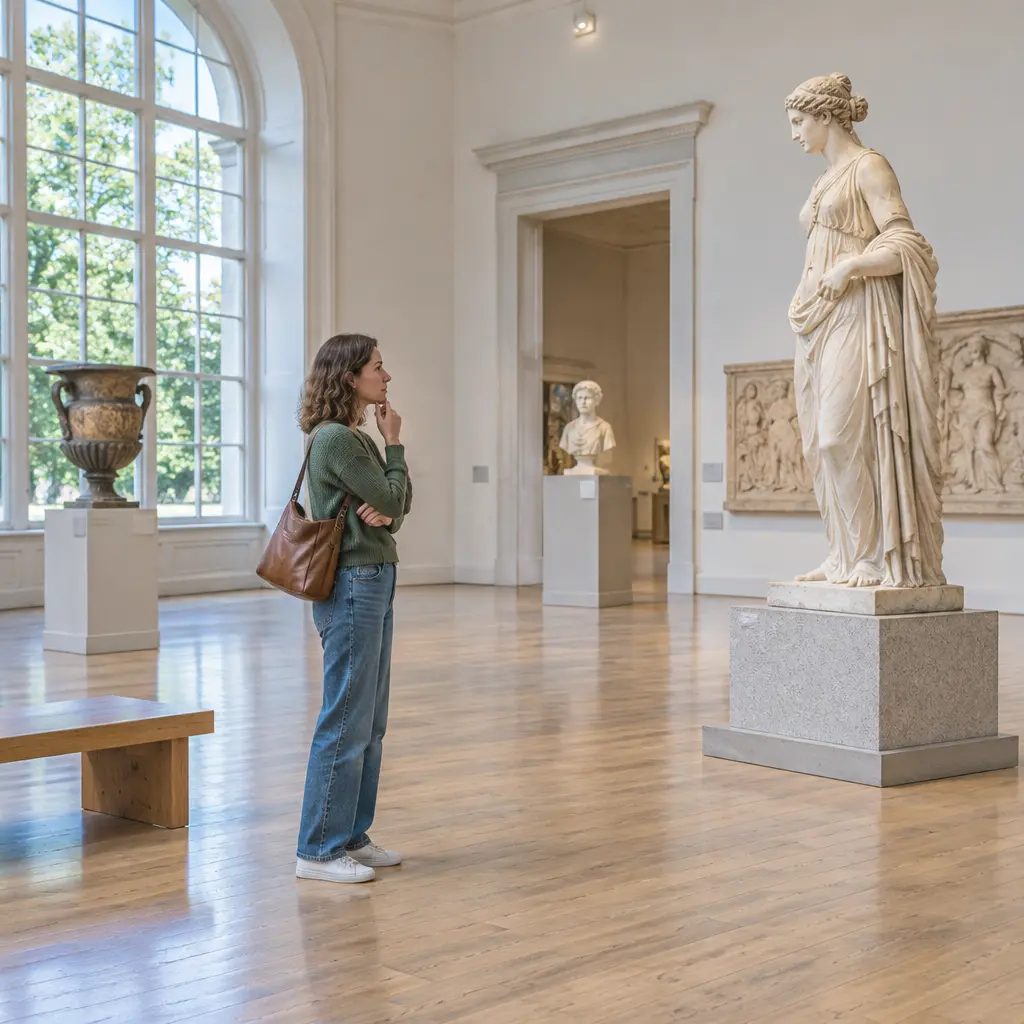
Emotional connection is the feeling that a visit matters personally, culturally, or socially. It may come from encountering a powerful story, seeing a place connected to family history, or sharing an enjoyable moment with companions. The American Alliance of Museums emphasizes that museums can support learning, reflection, and connection; these outcomes help explain why interpretation and human stories can be as important as objects or exhibits.
For example, a history museum may make an exhibit more resonant by pairing artifacts with firsthand accounts and questions that invite visitors to relate the past to their own lives. The goal is not to prescribe a visitor’s feelings, but to create opportunities for personal interpretation.
Novelty, Discovery, and Participation
Novelty is the experience of encountering something new or unexpected, while participation gives visitors an active role in what happens. These attributes can be supported through demonstrations, interactive displays, guided activities, behind-the-scenes access, or opportunities to explore at an individual pace. The memorable tourism experience research by Kim, Chen, and Ritchie includes novelty and involvement among its important dimensions.
Novelty does not have to mean spectacle. A small, surprising detail—a craft demonstration, a view from an unusual trail, or a staff member’s local recommendation—can create a distinct memory when it fits the place and the visitor’s interests.
Social Connection and Shared Experience
Social connection describes the relationships and shared moments formed or strengthened during a visit. Visitors may come with family and friends, meet guides or hosts, or interact with other guests. The U.S. National Park Service identifies opportunities for connection with park resources as part of its visitor-experience work, while also recognizing that visitor needs differ across sites and groups.
A group activity can make an outing more memorable, but social design should allow for different preferences. Clear options for independent exploration, quiet areas, and accessible group activities help more visitors participate comfortably.
Visitor Engagement and Memorable Visit Experiences
Visitor engagement is the degree to which people actively attend to, interact with, or contribute to an experience. It connects the emotional and personal qualities of a visit with its practical design: people are more likely to remember an experience when they can follow its story, make choices, and take part. Engagement can be physical, intellectual, sensory, or social, and effective destinations often combine several forms rather than relying on technology alone.
Interpretation and Storytelling
Interpretation is communication that helps people understand the meaning and significance of a place, object, or experience. Freeman Tilden, whose principles of interpretation have influenced heritage and park practice, described interpretation as an educational activity that reveals meanings and relationships rather than simply presenting information. A strong story gives visitors context, guides attention, and helps them connect individual details to a larger idea.
Interpretation may take the form of a guide’s explanation, exhibit labels, audio, maps, live demonstrations, or digital content. The National Park Service’s interpretive guidance stresses relevance and organization: information is more useful when it connects with visitors’ experiences and is presented around a clear idea.
Sensory and Place-Based Design
Sensory design considers how sight, sound, touch, smell, and movement contribute to an experience. Place-based design uses the distinctive character of a location—its landscape, architecture, ecology, history, or local culture—to make the visit feel specific rather than interchangeable. At a botanical garden, seasonal scents and changing plant displays may shape the experience; at a historic site, the scale and material of the buildings can make history tangible.
Design should also account for sensory variation. The Centers for Disease Control and Prevention reports that about 1 in 4 adults in the United States has a disability. Accessible routes, seating, clear signs, captioning, quiet options, and varied ways to receive information help ensure that memorable experiences are not limited to visitors who can use a single format.
Digital Tools and Visitor Choice
Digital tools can support engagement when they make discovery easier or add useful context. Audio guides, interactive maps, reservation systems, and mobile interpretation can help visitors plan and navigate. They are most effective when they supplement, rather than obstruct, the experience of being present in a place.
Visitor choice is essential: a digital layer should not be the only route to important information. Organizations can provide equivalent printed, staff-led, or accessible alternatives, and should explain what data an app collects. This approach balances convenience with privacy, inclusion, and attention to the destination itself.
Service, Comfort, and Access in Memorable Visit Experiences
Service and comfort form the conditions that allow visitors to focus on discovery. They may not be the most dramatic parts of a visit, but confusing arrival instructions, long queues, inaccessible facilities, or unhelpful interactions can overshadow its attractions. The U.S. National Park Service’s visitor-experience approach includes both the setting and the services that support visitor connections, reflecting how practical operations and the central experience work together.
Hospitality and Staff Interactions
Hospitality is the way an organization makes visitors feel welcomed, respected, and supported. Staff members can shape the experience through clear directions, attentive listening, knowledgeable answers, and calm assistance when plans change. These interactions are especially important when visitors are unfamiliar with a place or have specific access, language, or safety needs.
A consistent welcome does not require a scripted personality. Useful practices include training staff to give concise directions, explaining available services proactively, and empowering frontline employees to resolve common problems. Visitors’ comments and observed friction points can help managers identify where additional training or clearer procedures are needed.
Wayfinding, Flow, and Comfort
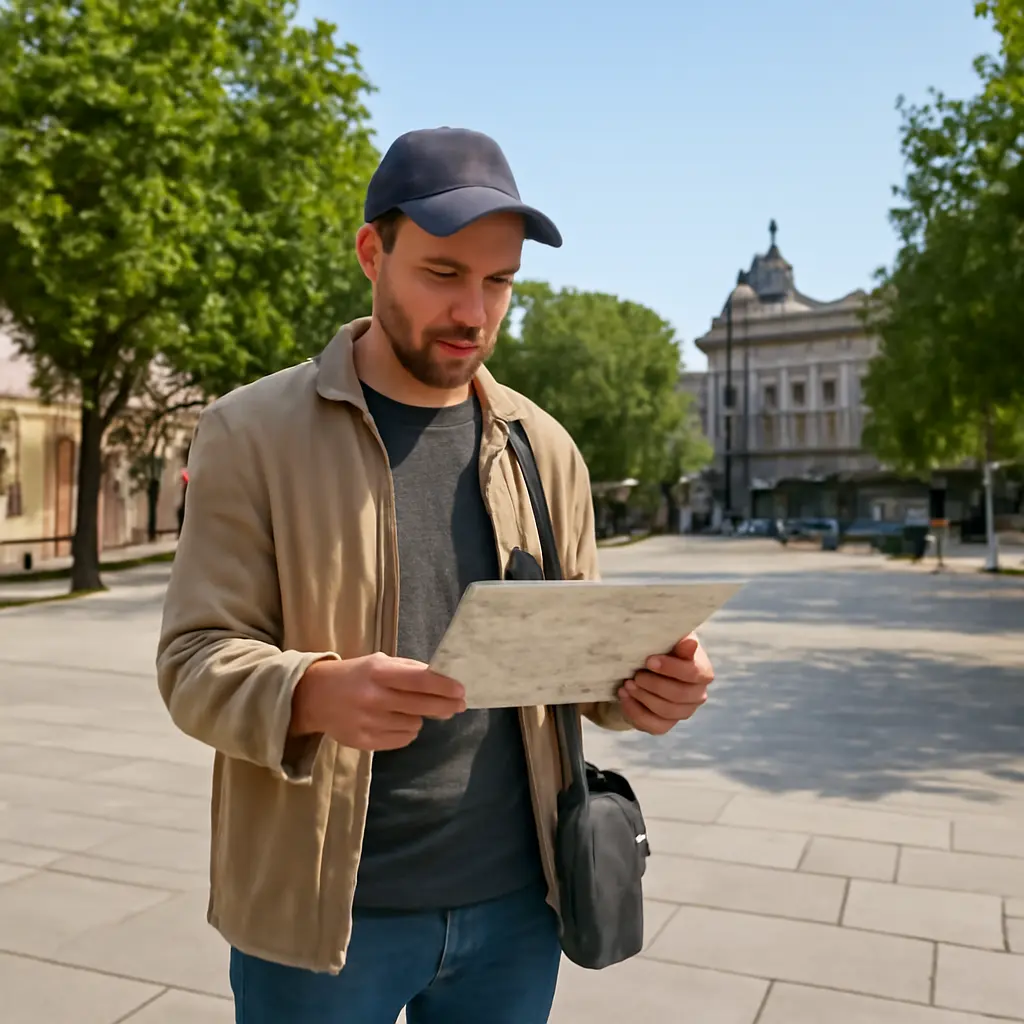
Wayfinding is the process of understanding where one is and how to reach a destination. Legible signs, useful maps, visible landmarks, and predictable routes reduce uncertainty. Comfort features—such as seating, shade, drinking water, toilets, and places to pause—help visitors manage energy and spend more attention on the experience itself.
The Centers for Disease Control and Prevention’s disability data underscores why these features should be planned for a broad range of bodies and needs. For instance, step-free routes and strategically placed resting points can benefit wheelchair users, older adults, families with strollers, and visitors recovering from injury.
Accessibility, Inclusion, and Belonging
Accessibility means designing services, spaces, and information so people with disabilities can use them, while inclusion also considers whether visitors feel represented, respected, and able to participate. The U.S. Department of Justice’s Americans with Disabilities Act guidance sets requirements for access in many public accommodations; meeting legal standards is a foundation, not the full measure of an equitable experience.
Practical steps include offering information in multiple formats, providing clear access details before arrival, consulting people with disabilities during planning, and reviewing exhibits for cultural representation and plain-language comprehension. These steps can improve the visit for everyone, not only visitors who request accommodations.
Measuring and Improving Memorable Visit Experiences
Measurement helps organizations distinguish appealing ideas from changes that actually improve a visit. Because memorability is personal and develops over time, no single metric can capture it completely. A useful evaluation combines immediate feedback, observed behavior, operational data, and follow-up questions about what visitors recall and value.
Visitor Feedback and Experience Metrics
Visitor feedback can include short surveys, interviews, comment cards, online reviews, and conversations with staff. Useful questions ask what visitors found meaningful, what they learned, what felt confusing, and what they would tell someone considering a visit. Operational measures—such as wait times, attendance by time of day, repeat visits, and use of accessible services—can help explain the feedback.
The National Park Service’s visitor-use management resources encourage managers to connect monitoring to defined objectives and indicators. In practice, an organization might track queue duration alongside visitor reports of crowding, rather than treating attendance totals as a complete measure of quality.
A Practical Improvement Cycle
A practical improvement cycle begins with a clear visitor need, tests a focused change, and checks whether the change helped different groups. For example, a museum that receives repeated reports of difficulty locating a gallery can trial new signs, compare visitor questions and route choices before and after, and ask visitors whether navigation became clearer.
- Identify a specific friction point or opportunity through feedback and observation.
- Define an outcome, such as easier navigation, greater participation, or improved access.
- Test a change on a manageable scale and include visitors with varied needs in the review.
- Compare results, refine the design, and continue monitoring over time.
This cycle keeps evaluation practical and prevents organizations from treating a single positive review or attendance increase as proof that every part of the experience works well.
Conclusion: Designing Visits People Remember
Memorable visit experiences emerge from the combination of personal meaning, novelty, participation, social connection, strong interpretation, and thoughtful service. Storytelling and place-based design give visitors reasons to engage; accessible facilities, clear wayfinding, and welcoming staff make that engagement possible. Feedback and operational measures then show organizations where to preserve what works and where to improve.
The broader lesson is that memorability is not produced by spectacle alone. It grows when a destination respects visitors’ different needs and creates meaningful opportunities to connect with people, ideas, and place. Organizations can begin by asking visitors what stayed with them, checking whether everyone can participate, and testing small improvements. For further reading, consult the National Park Service’s visitor-experience and interpretation resources, the Americans with Disabilities Act guidance, and research on memorable tourism experiences.
Sources: U.S. National Park Service, Visitor Use Management Framework, https://visitorusemanagement.nps.gov/; U.S. National Park Service, Interpretation and Education, https://www.nps.gov/subjects/interpretation/index.htm; Kim, C. Michael, Chen, Joseph S., and Ritchie, J. R. Brent, “Tourist Perceptions of Destination Image: The Case of the Gold Coast, Australia” and research on memorable tourism experiences, Journal of Travel Research, 2012, https://doi.org/10.1177/0047287511410322; American Alliance of Museums, About Museums, https://www.aam-us.org/programs/about-museums/; Tilden, Freeman, Interpreting Our Heritage, University of North Carolina Press, 1957; Centers for Disease Control and Prevention, Disability Impacts All of Us, https://www.cdc.gov/disability-and-health/articles-documents/disability-impacts-all-of-us.html; U.S. Department of Justice, Americans with Disabilities Act Title III Regulations, https://www.ada.gov/law-and-regs/regulations/title-iii-regulations/.