Camping permit strategy is the practical process of choosing a destination, understanding its reservation system, and preparing to book a campsite or backcountry permit when demand is high. During peak season, success depends less on luck than on knowing the exact release rules, having backup options, and completing a reservation quickly. The National Park Service reports that its campgrounds receive heavy seasonal demand, while Recreation.gov manages bookings across many federal recreation sites; together, these systems illustrate why a coordinated plan matters. This guide explains permit types, booking windows, preparation tactics, waitlists and cancellations, and ethical alternatives when a preferred spot is unavailable.
Booking Windows Define Camping Permit Strategy
A booking window is the period when a reservation becomes available, and it is the central attribute of a camping permit strategy. Recreation.gov defines availability through each facility’s listing and reservation rules; release dates, booking horizons, and permit requirements vary by destination. There is no single federal release schedule, so campers should verify the official listing rather than rely on a general rule of thumb.
The main categories include advance reservations, lottery permits, rolling releases, and walk-up or first-come, first-served access. They differ in timing and uncertainty: an advance reservation rewards readiness at a known release time, while a lottery allocates scarce permits among applicants. The National Park Service notes that some popular parks require reservations or special permits for particular activities, even when general park entry is available.
Advance reservations and rolling releases
An advance reservation opens a defined number of days or months before the stay. A rolling release makes dates available sequentially—for example, one new date becoming bookable each day—while a seasonal release may open a larger block at once. Because policies differ by campground, confirm the opening date, time zone, booking horizon, stay limits, and whether the system releases inventory all at once or incrementally.
Recreation.gov listings show site-specific availability and rules. Create an account in advance, save traveler and payment details where appropriate, and identify acceptable sites before the opening time. These steps reduce avoidable delays, but do not guarantee a reservation: inventory can be limited, and other users may be booking simultaneously.
Lottery permits and quota-managed trips
A lottery permit is allocated through a random or preference-based drawing rather than an immediate first-come booking. Land managers use lotteries and quotas to distribute limited access to popular backcountry routes and other high-demand areas. The Bureau of Land Management and National Park Service publish separate rules for their managed locations, including application periods, group-size limits, fees, and any remaining-permit procedures.
Read the permit conditions before applying. A lottery may require ranked date choices, a nonrefundable application fee, or a named trip leader. Applying for dates and routes your group can genuinely use improves the usefulness of the application; submitting duplicate applications can violate local rules. Check the managing agency’s official instructions for the current season.
Preparation Improves Peak-Season Reservation Readiness
Reservation readiness means resolving logistical decisions before inventory opens. It connects the booking window to practical choices about dates, group size, equipment, and acceptable alternatives. A prepared plan helps campers act quickly without overlooking eligibility or site restrictions.
Build a ranked plan with realistic alternatives
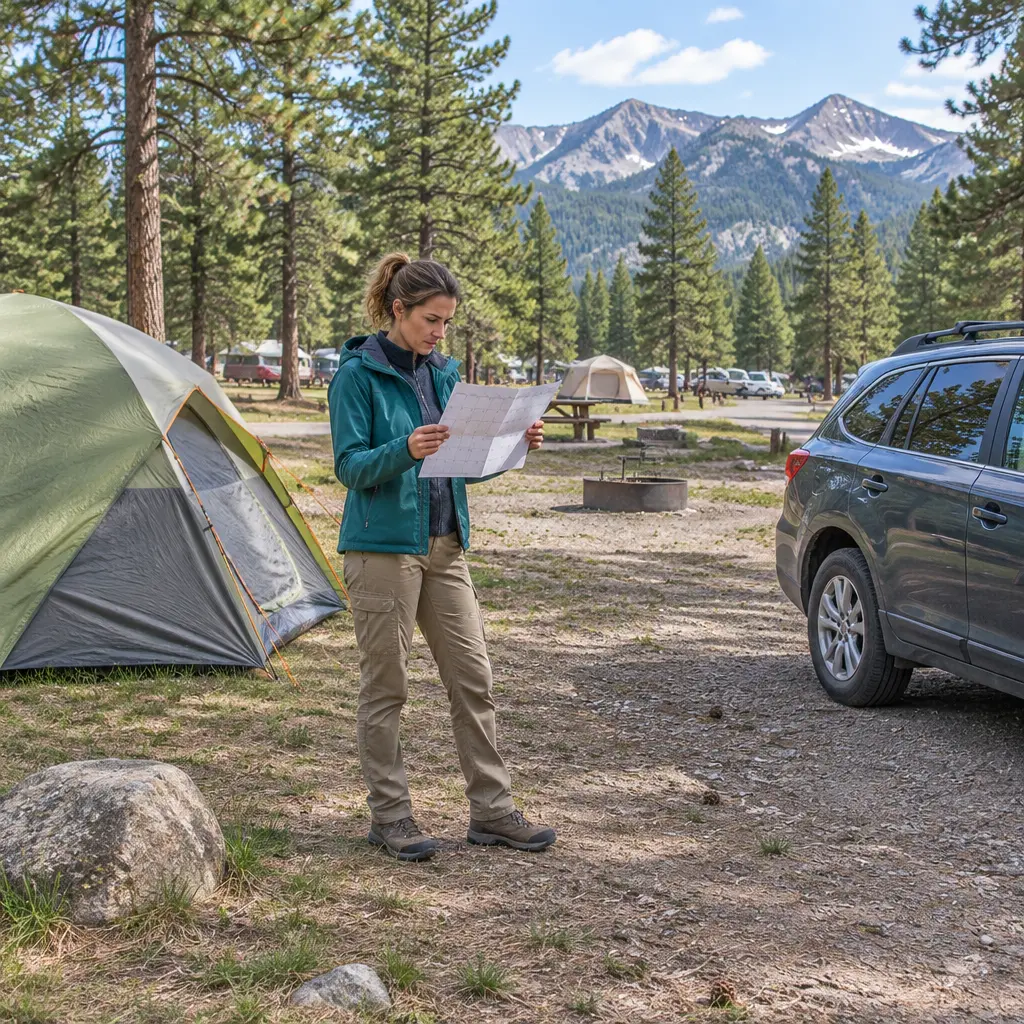
List preferred dates, nearby campgrounds, and alternate trip lengths in priority order. Check each option’s maximum occupancy, vehicle limits, accessibility, pet policy, fire rules, and required equipment. A tent site, RV site, and backcountry permit are not interchangeable, so verify that the backup actually suits the group.
The National Park Service’s campground and park pages provide location-specific details, while Recreation.gov displays reservation information for participating sites. Compare travel distance and transportation needs as well as price. A nearby public campground outside a park may preserve the trip even if the most famous campground is full.
Prepare accounts, timing, and trip details
Before booking day, confirm the exact release time and time zone, sign in, review payment requirements, and keep the group’s dates and site preferences ready. Use the official reservation page as the source of truth; automated alerts, calendars, and browser reminders are useful aids but may not reflect last-minute policy changes.
Know the cancellation and modification rules before paying. Recreation.gov’s terms and individual facility policies explain applicable fees and deadlines. Avoid opening multiple competing reservations unless the rules allow it and you are prepared to cancel unwanted bookings promptly; holding unnecessary inventory can prevent others from using it.
Cancellations and Waitlists Create Secondary Opportunities
A cancellation opportunity is inventory returned to the reservation system after another visitor changes or abandons a booking. Some facilities also offer waitlists or notification features, but these are not universal. Their availability and operation are site-specific, so campers should check the listing and agency guidance rather than assume a notification service exists.
Monitor official listings without relying on a single alert
If a trip is flexible, check the official booking page periodically and use any supported availability notification. Cancellations can appear at different times, and a notification does not necessarily hold a site for you. Keep account access and payment details ready, and confirm that the newly available dates still fit travel and permit requirements.
Do not use bots, scripts, or third-party services that violate a reservation platform’s terms. Besides risking account or booking problems, automated high-speed booking can undermine fair access. Follow the platform’s stated rules and make reservations only for trips you intend to take.
Use walk-up permits and first-come sites responsibly
Walk-up permits and first-come, first-served campsites are alternatives, not guarantees. Their availability may depend on daily quotas, staffed office hours, road conditions, and seasonal closures. Contact the land manager for current procedures, arrive within the stated window, and maintain a backup plan that does not depend on sleeping somewhere unauthorized.
For backcountry travel, a walk-up permit still requires compliance with route, campsite, group-size, food-storage, and fire restrictions. The National Park Service and other land agencies emphasize that permit conditions protect both visitors and sensitive resources. A permit is permission for a specified use, not a general authorization to camp anywhere nearby.
Responsible Alternatives Protect Access and Resources
When a preferred site is unavailable, changing the destination or trip format is often safer and more responsible than attempting an unauthorized stay. Alternatives include a different date, a less-demanded campground, a developed private campground, or a permitted trip on another route. Check land ownership and regulations before camping; rules can differ between national parks, national forests, Bureau of Land Management lands, state lands, and private property.
Choose lower-demand dates or nearby destinations
Weekdays, shoulder-season dates, and less-publicized sites may have more availability, although weather, access, and operating schedules can limit these options. Review seasonal closures and local conditions before shifting dates. The National Park Service and land-management agencies publish alerts and operating updates that can affect roads, facilities, and permitted activities.
Follow permit conditions and Leave No Trace practices
A sound booking strategy includes stewardship after the reservation is secured. Follow the permit’s designated campsite and group limits, pack out waste as required, store food according to local rules, and obey fire restrictions. Leave No Trace guidance emphasizes planning ahead, camping on durable surfaces, and minimizing impacts—principles that help protect heavily visited places and preserve future access.
Conclusion: A Practical Camping Permit Strategy
Peak-season camping requires matching the trip to the right booking window, understanding whether access is reserved, lottery-based, rolling, or walk-up, and preparing a realistic set of alternatives. Official agency pages and Recreation.gov listings are essential because dates, fees, quotas, and cancellation rules vary by location. Prepare early, use only permitted booking methods, monitor legitimate openings, and respect the conditions attached to every reservation. Start by selecting a destination, checking its current release rules, and saving a backup plan before the next booking window opens.
Sources: Recreation.gov, Plan Your Trip and reservation listings, https://www.recreation.gov/; National Park Service, Camping in National Parks, https://www.nps.gov/subjects/camping/index.htm; National Park Service, Permits and Reservations, https://www.nps.gov/subjects/permits/index.htm; Bureau of Land Management, Recreation Permits and Passes, https://www.blm.gov/programs/recreation/permits-and-passes; Leave No Trace, The Seven Principles, https://lnt.org/why/7-principles/.